4
Feb
Losing track of cards and receipts in a cluttered wallet is a familiar frustration for many urban European professionals. Balancing style with practicality, especially in fast-paced city life, often means dealing with overflowing compartments and forgotten membership cards. Discover how a minimalist approach to wallet organization transforms not only your daily routine but also strengthens tech safety features, making essential items easy to access while keeping your information secure.
Table of Contents
- Step 1: Prepare Your Wallet For Decluttering
- Step 2: Identify And Separate Essential Items
- Step 3: Remove Unnecessary Paper And Receipts
- Step 4: Optimize Card Placement For Quick Access
- Step 5: Verify Efficiency And Test Daily Usability
Quick Summary
| Main Insight | Practical Explanation |
|---|---|
| 1. Start with a total wallet clear-out | Empty your wallet completely to understand what you have and decide what to keep, donate, or toss. |
| 2. Categorize essential items wisely | Organize items based on their importance and frequency of use, retaining only what you need daily. |
| 3. Digitize receipts and important documents | Scan receipts to reduce physical clutter and make financial records more manageable and accessible. |
| 4. Arrange cards for quick access | Position frequently used cards at the front for easy retrieval and maintain a predictable system. |
| 5. Regularly test and refine wallet usability | Conduct weekly reviews to eliminate unused cards and ensure the system continues to meet your needs efficiently. |
Step 1: Prepare your wallet for decluttering
Starting your wallet organization journey requires a strategic approach. Reflecting on consumption behavior helps you understand why you accumulate unnecessary items and sets the foundation for effective decluttering.

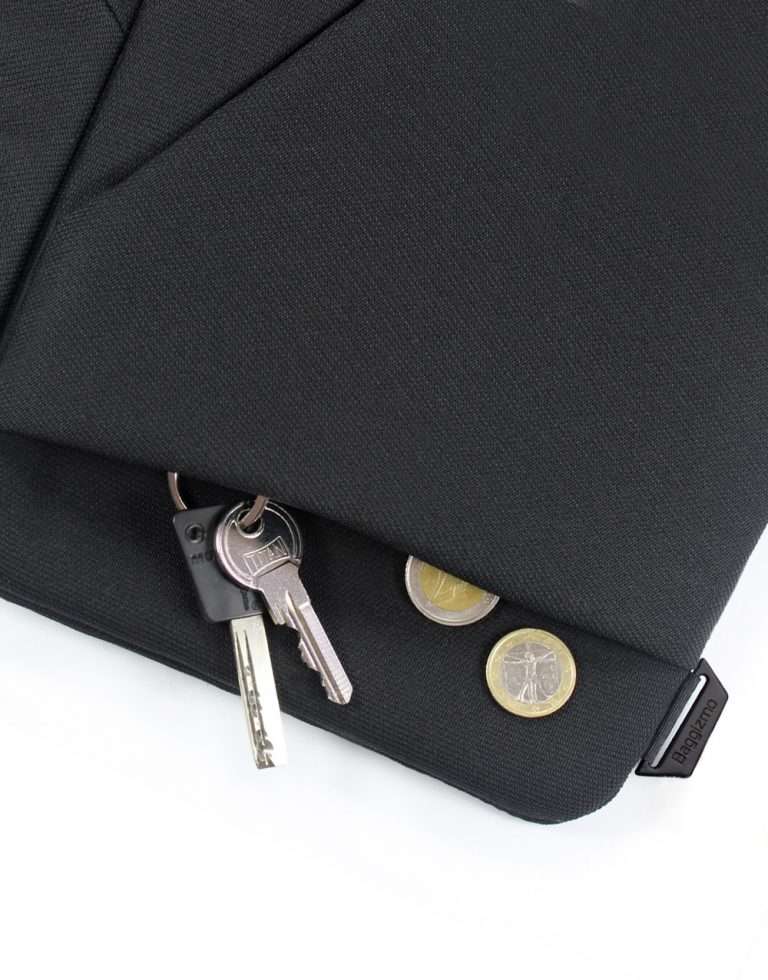
To begin, clear a workspace where you can spread out your wallet’s contents. Empty everything completely – cash, cards, receipts, loyalty programs, business cards, and those random paper scraps you’ve collected. This comprehensive dump allows you to see exactly what you’re working with and evaluate each item’s true necessity.
Sort your items into three critical categories:
- Keep: Essential items you use regularly
- Donate/Transfer: Items with residual value but not personally needed
- Toss: Expired, damaged, or completely unnecessary items
During this process, be ruthless about what truly deserves wallet space. Your goal is creating a lean, efficient wallet that supports your daily lifestyle without unnecessary weight.
A minimalist wallet is not about having less, but about making room for what matters most.
Pro tip: Consider photographing important cards before discarding them as a digital backup strategy.
Step 2: Identify and separate essential items
Now that you’ve emptied your wallet, it’s time to strategically evaluate what truly belongs in your everyday carry. Designing the perfect wallet layout requires understanding which items are genuinely essential for your lifestyle.
Start by categorizing your items into three critical groups based on frequency and importance:
- Identification Cards: Driver’s license, work ID, health insurance card
- Financial Tools: Primary credit/debit cards, emergency cash
- Frequently Used Items: Transit pass, primary membership cards
Determine each item’s necessity by asking yourself key questions: When was the last time I used this? Do I have a digital backup? Could this be stored elsewhere?
Wallet organization isn’t about minimizing possessions – it’s about maximizing accessibility and efficiency.
Remove items that don’t pass the critical use test. Identifying core wallet contents means keeping only what you absolutely need for daily transactions and identification.
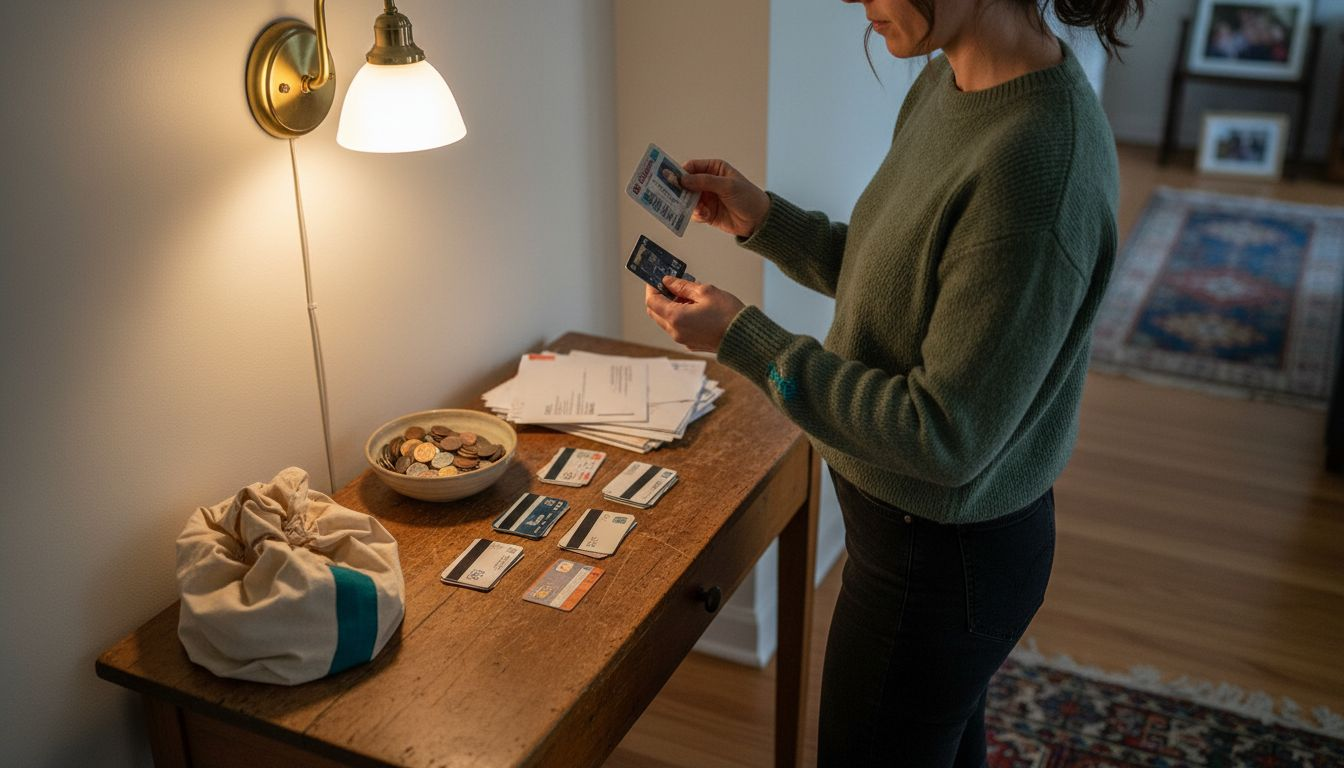
Pro tip: Create a small home filing system for cards you need occasionally but not daily, freeing up precious wallet real estate.
Step 3: Remove unnecessary paper and receipts
Paper receipts and random slips are the silent clutterers of wallets everywhere. Reducing paper waste starts with understanding which documents truly matter and which can be discarded or digitized.
Begin by sorting your accumulated paper into clear categories:
- Keep Temporarily: Tax-related receipts, warranty information
- Scan and Discard: Expense reports, medical receipts
- Immediate Trash: Restaurant receipts, old parking tickets
Modern technology offers multiple solutions for managing paper. Many banking apps and expense tracking platforms allow you to snap pictures of receipts and automatically categorize them, eliminating physical storage needs. Digital receipt alternatives not only reduce wallet bulk but also create a more organized financial record.
Digital documentation is not just convenient – it’s a sustainable approach to personal record keeping.
Remember that most retail receipts contain unnecessary thermal paper that degrades quickly and adds zero long-term value to your wallet. When possible, opt for email receipts or digital confirmations that won’t clutter your physical space.
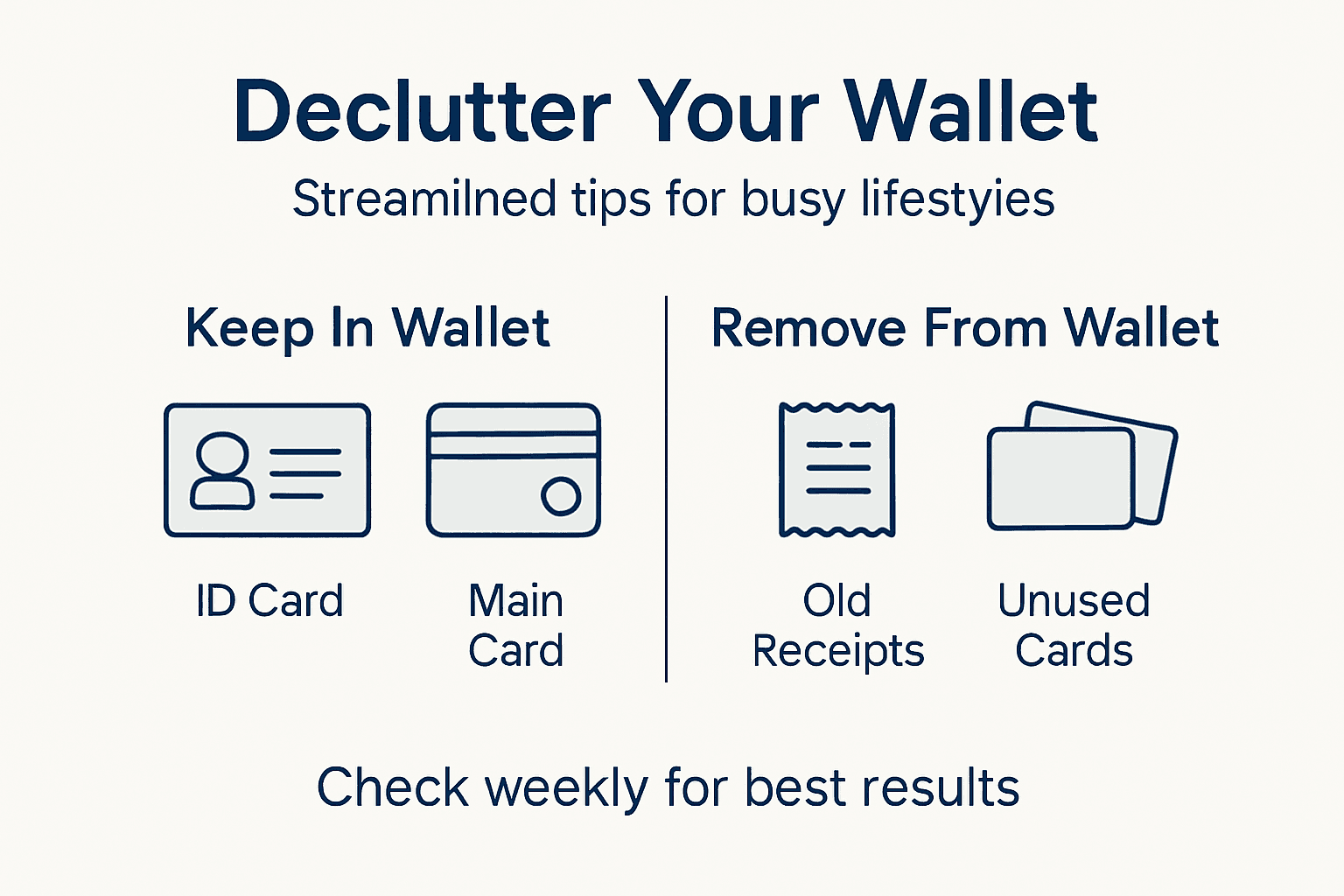
Pro tip: Set up a monthly digital filing system where you archive scanned receipts by category, then immediately delete physical copies.
Here’s a quick reference comparing physical and digital wallet management strategies:
| Aspect | Physical Wallets | Digital Alternatives |
|---|---|---|
| Space Usage | Limited capacity, easily cluttered | Virtually unlimited storage |
| Security | Risk of loss or theft | Password or biometric protection |
| Accessibility | Manual retrieval required | Quick search and cloud access |
| Record Keeping | Paper receipts and cards | Digital backups and scans |
| Environmental Impact | Uses paper and plastic | Reduces physical waste |
Step 4: Optimize card placement for quick access
Designing an efficient wallet layout is more strategic science than random arrangement. Wallet design prototyping reveals that thoughtful card placement can dramatically improve your daily interactions and reduce frustration.
Organize your cards using these strategic zones:
- Front Pocket: Most frequently used cards (primary credit card, transit pass)
- Middle Section: Secondary cards (backup credit card, membership cards)
- Back Section: Rarely used identification and emergency cards
Consistent wallet organization means creating a predictable system where each card has a designated home. Think of your wallet like a well-designed smartphone – everything should be precisely where you expect it to be.
Efficiency isn’t about having fewer items – it’s about accessing the right item at the right moment.
Consider investing in a wallet with multiple compartments or RFID-blocking sections that naturally encourage strategic card placement. This approach transforms your wallet from a chaotic collection into a streamlined personal system.
Pro tip: Photograph the front and back of important cards for backup, then arrange physical cards from most to least used, creating muscle memory for retrieval.
Step 5: Verify efficiency and test daily usability
Mobile wallet performance testing reveals that true wallet efficiency goes beyond initial organization – it requires active monitoring and ongoing refinement of your system.
Design a practical test to evaluate your wallet’s real-world performance:
- Speed Test: Time how quickly you can retrieve specific cards
- Comfort Assessment: Check for bulkiness or unnecessary friction
- Accessibility Evaluation: Confirm cards are easily identifiable without searching
Usability testing protocols recommend simulating typical daily scenarios. This means recreating your most common transactions – purchasing coffee, boarding public transit, or checking into a hotel – and observing how smoothly your newly organized wallet performs.
Efficiency is not about perfection, but about continuous small improvements.
Pay attention to subtle friction points. Does your primary credit card require awkward maneuvering? Are membership cards buried too deeply? These observations will help you make incremental adjustments that significantly enhance your wallet’s functionality.
To assess wallet organization success, review these performance factors:
| Factor | What to Evaluate | Indicator of Efficiency |
|---|---|---|
| Retrieval Speed | Time to access essentials | Under five seconds is ideal |
| Bulkiness | Physical size in pocket | Slim, comfortable profile |
| Card Visibility | Ease of finding cards | All visible at a glance |
| Maintenance Effort | Frequency of audits | Quick, routine checks |
Pro tip: Perform a weekly “wallet audit” where you critically assess your organizational system, removing any cards that haven’t been used in the past month.
Transform Your Wallet into a Model of Efficiency and Style
If you struggle with cluttered wallets stuffed with unnecessary cards and receipts, this guide highlights how to create an organized system prioritizing ease of access and daily functionality. The key challenge is removing excess paper and redundant items while optimizing card placement for quick retrieval and ongoing wallet usability. By embracing concepts like strategic card zones and digital documentation, you can reduce bulk and improve your daily experience.
Discover how style meets practicality with our carefully curated collection at Design Archives – Baggizmo. Designed in the EU for those seeking original and functional wallets, our range supports your goal of a lean, efficient everyday carry. Don’t settle for less when you can own smart wallets with safety features and elegant craftsmanship. Take control of your daily essentials today by exploring exclusive options that empower fast, decluttered living at Baggizmo Shop. Your next perfect wallet is a click away—upgrade now to experience the ultimate blend of fashion and function.
Frequently Asked Questions
How do I start organizing my wallet for a decluttered living?
Begin by emptying your wallet completely and clearing a workspace to sort your items. Categorize your contents into three groups: Keep, Donate/Transfer, and Toss to streamline your wallet’s contents.
What essential items should I keep in my wallet?
Focus on identification cards, primary financial tools, and frequently used items. Aim to limit your wallet to essentials that you utilize on a daily basis, which could mean keeping around 5-7 cards total.
How can I reduce the amount of paper in my wallet?
Digitize receipts and discard unnecessary paper slips. Use your phone to scan documents and categorize them electronically, allowing for more physical space in your wallet and reducing clutter by around 75%.
What is the best way to arrange cards in my wallet for easy access?
Organize your cards by frequency of use; place the most used cards in the front pocket and the rarely used cards in the back. Create a consistent system that makes it intuitive to retrieve the right card quickly, ideally in under five seconds.
How often should I check my wallet’s organization?
Perform a wallet audit weekly to evaluate what you are carrying and remove any items that have not been used in the past month. Regular checks help maintain a lean wallet and ensure you only keep necessary items for daily functionality.
How can I test the efficiency of my organized wallet?
Run a speed test by timing how quickly you can access your essential items, and assess how comfortable and bulk-free your wallet feels. Aim for a streamlined experience where you can retrieve cards smoothly without searching, improving usability in everyday transactions.
Recommended
- Role of Wallets in Daily Life – Modern Convenience & Security
- Why Functional Wallets Matter for Modern Life
- What Is Compact Wallet? Practical Minimalism Explained
- Role of Design in Wallets: Style Meets Safety
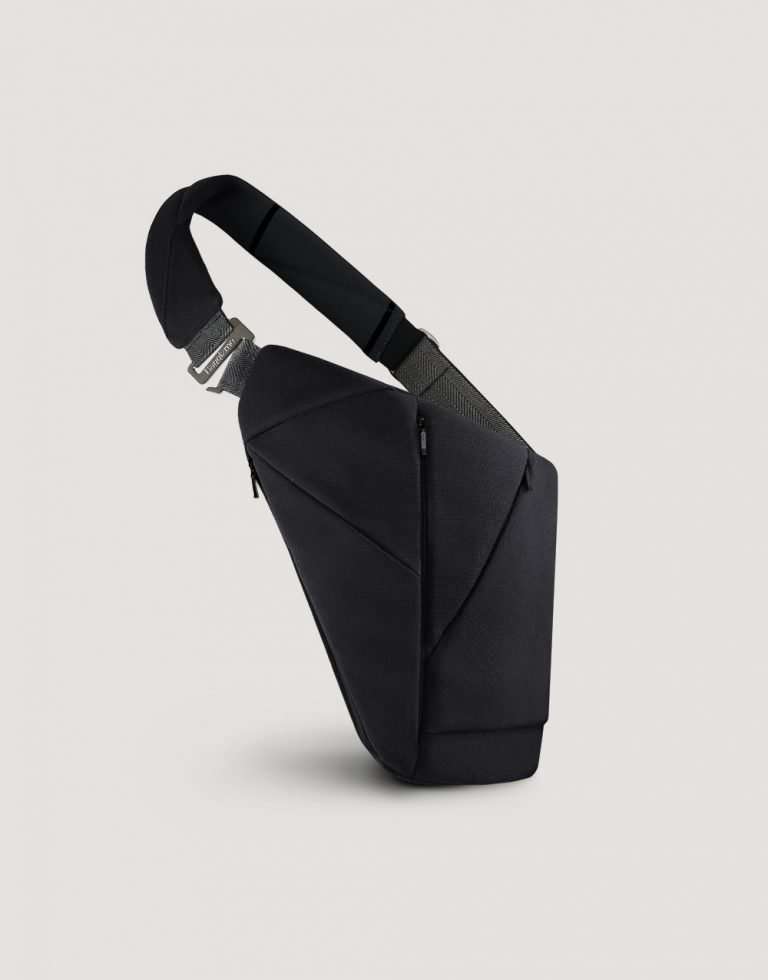
Need an everyday carry bag?
Meet Baggizmo Crossbody — built for daily essentials, close and secure.