
3
Feb
Navigating city life means juggling cards, cash, digital assets, and your identity everywhere you go. For young professionals, the days of bulky leather wallets are over. Today’s functional wallets blend sleek design with advanced features like rapid card access, RFID protection, and seamless digital integration. Whether you’re paying with your phone or pulling out your most-used card in seconds, this article uncovers how modern wallets deliver style, security, and efficiency for every moment.
Table of Contents
- Defining Functional Wallets And Their Purpose
- Design Innovations And Material Choices
- Quick-Access Mechanisms And Fan-Out Triggers
- Modern Safety Features And Daily Utility
- Comparing Functional Wallets To Traditional Options
Key Takeaways
| Point | Details |
|---|---|
| Functional Wallets Enhance Efficiency | Modern wallets prioritize rapid access, security, and intelligent asset management, transforming personal finance interactions. |
| Innovative Material Choices | Designers now incorporate advanced materials for durability and sustainability, focusing on user needs and environmental impact. |
| Quick-Access Mechanisms Improve Usability | Fan-out trigger systems and algorithmic card organization streamline card retrieval, enhancing user experience. |
| Enhanced Security for Digital Assets | Functional wallets integrate multi-layered security features that protect both physical and digital information from theft and fraud. |
Defining Functional Wallets and Their Purpose
Modern wallets have evolved far beyond simple leather accessories. They now serve as sophisticated personal management systems designed to streamline daily interactions with financial and digital resources.

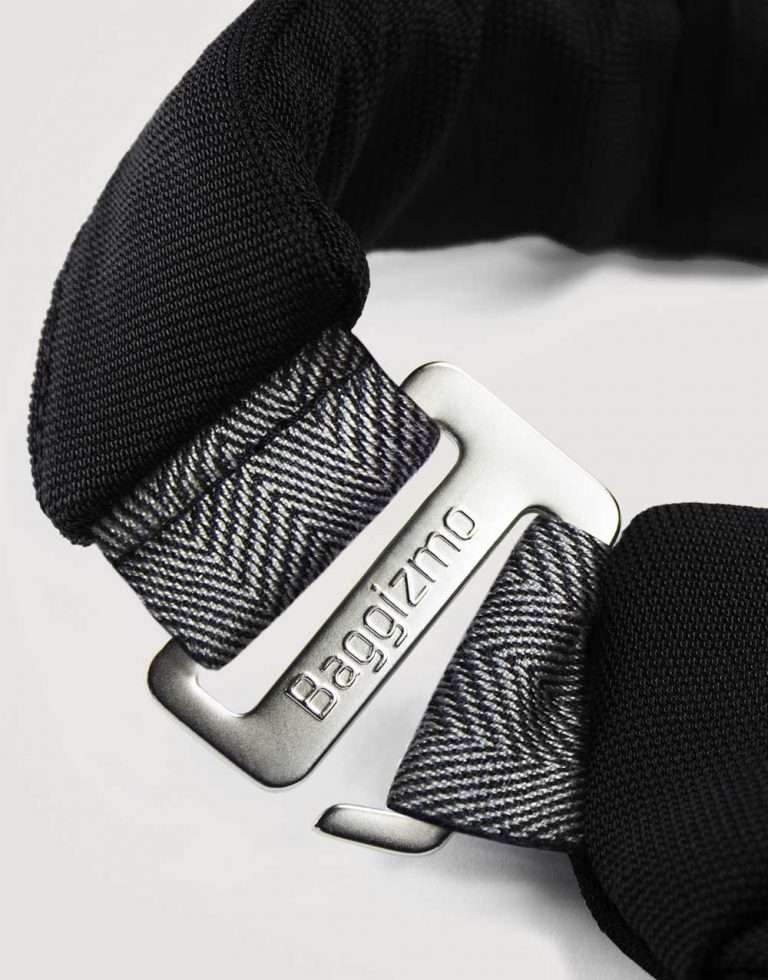


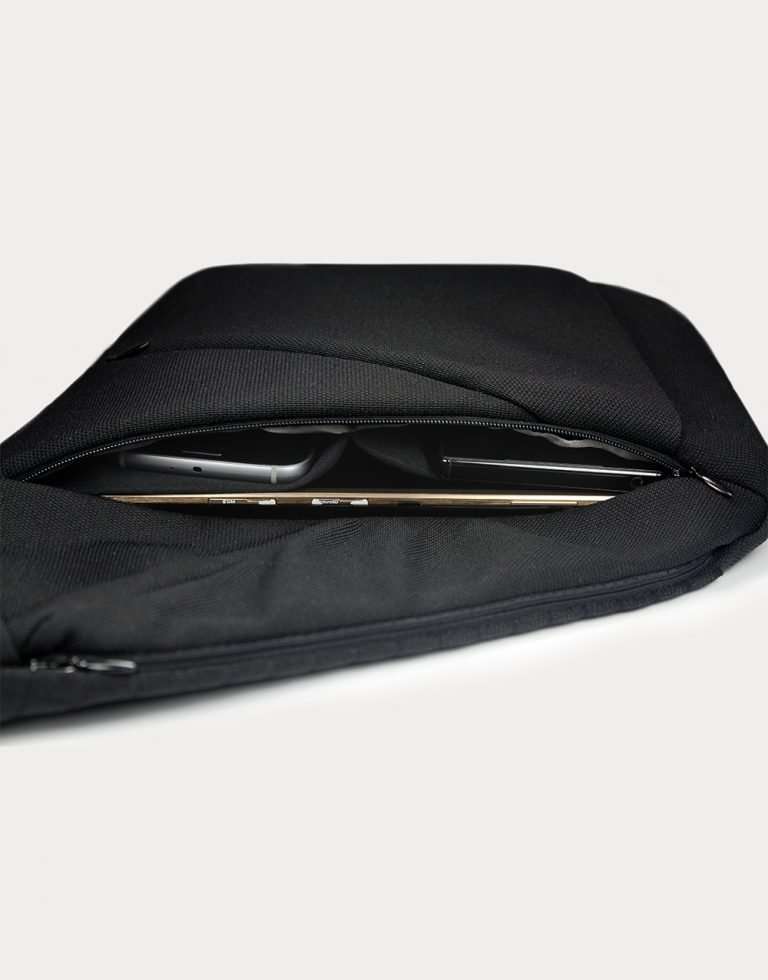

A functional wallet represents a strategic approach to organizing personal assets, focusing on three core principles:
- Efficient asset management
- Enhanced security features
- Rapid access mechanisms
The European Central Bank describes digital wallets as digital equivalents that enable users to securely store multiple digital assets, including money, payment cards, tickets, and identification documents. These sophisticated tools leverage technologies like QR codes, NFC, and MST to facilitate seamless transactions.
Functional wallets transcend traditional storage, integrating advanced features that address contemporary lifestyle challenges. They prioritize rapid retrieval, compact design, and multi-functional capabilities. Modern users demand wallets that can instantly produce the right card, protect against digital theft, and minimize physical bulk.
Functional wallets transform personal asset management from a passive storage process into an active, intelligent system of organization and security.
Key technological innovations in functional wallets include:
- RFID blocking materials
- Biometric access controls
- Integrated tracking mechanisms
- Modular card and cash compartments
Digital integration has become paramount. Contemporary wallets now seamlessly connect physical and digital worlds, allowing management of diverse digital assets through mobile technologies.
Pro tip: Select a wallet that offers at least three distinct organizational features beyond simple card storage to maximize daily efficiency.
Design Innovations and Material Choices
Wallet design has transformed dramatically, moving beyond traditional leather and fabric constraints into a realm of innovative material engineering. Contemporary designers now prioritize functionality, sustainability, and technological integration in their approach to wallet construction.

Recent design research highlights emerging material research trends that are revolutionizing wallet manufacturing. These innovations focus on creating materials that are not just aesthetically pleasing, but also intelligent and adaptive.
Key material innovations in modern wallet design include:
- Carbon fiber for lightweight durability
- RFID-blocking fabrics that provide digital security
- Recycled ocean plastics for environmental sustainability
- Smart textiles with embedded tracking capabilities
- Nano-treated leather resistant to water and stains
Modern wallet materials are not just about protection; they’re about creating an intelligent, responsive personal accessory that adapts to user needs.
The evolution of wallet materials reflects broader technological and environmental trends. Designers now consider factors like:
To summarize modern wallet material options, see the table below:
| Material Type | Key Benefit | Added Value |
|---|---|---|
| Carbon Fiber | Lightweight and durable | Ideal for slim designs |
| RFID-Blocking Fabric | Digital data protection | Shields card information |
| Recycled Ocean Plastic | Eco-friendly construction | Reduces environmental impact |
| Smart Textiles | Embedded tracking ability | Supports lost item recovery |
| Nano-Treated Leather | Stain and water resistance | Increases material lifespan |
- Ecological impact of material sourcing
- Technological integration capabilities
- User comfort and ergonomics
- Long-term durability and performance
Manufacturers are increasingly employing advanced computational design techniques to test and prototype new wallet materials. These methods allow for precise engineering of material properties, ensuring optimal performance across different usage scenarios.
Pro tip: When selecting a wallet, prioritize materials that offer a balance between technological functionality, environmental sustainability, and personal style.
Quick-Access Mechanisms and Fan-Out Triggers
Modern wallets have transcended simple storage, evolving into sophisticated systems designed for lightning-fast access and intelligent card management. The core innovation lies in fan-out triggers – mechanical and digital mechanisms that allow users to rapidly retrieve specific cards with minimal effort.
Systematic wallet design studies reveal intricate approaches to transaction facilitation and quick access mechanisms. These innovations prioritize user experience by reducing the time and physical manipulation required to locate and extract specific cards or payment methods.
Key quick-access design features include:
- Spring-loaded card ejection systems
- Thumb-press card fans
- Algorithmic card prioritization
- RFID-enabled instant identification
- Magnetic alignment triggers
The ultimate wallet design transforms card retrieval from a search-and-extract process into an intuitive, near-instantaneous interaction.
The European Central Bank’s research highlights user preferences for seamless payment mechanisms, emphasizing the importance of rapid transaction capabilities. Modern wallet designs now incorporate sophisticated fan-out technologies that can:
- Detect card frequency of use
- Automatically position most-used cards for quickest access
- Provide tactile feedback during card retrieval
- Minimize physical wallet bulk
Advanced wallets now utilize smart material technologies that dynamically adjust internal configurations. These intelligent designs can sense user patterns, learning and adapting card placement based on individual usage habits.
Pro tip: Test a wallet’s fan-out mechanism before purchasing, ensuring it aligns with your specific card retrieval preferences and daily workflow.
Modern Safety Features and Daily Utility
In today’s digital landscape, wallets have transformed from simple cash carriers into sophisticated personal security systems. Modern wallets integrate advanced technologies that protect not just financial assets, but personal identity and digital information.
The European Central Bank’s research reveals critical digital wallet safety features, highlighting sophisticated security mechanisms designed to combat emerging digital threats. These innovative designs address multiple layers of protection, from physical access control to digital asset management.
Key safety innovations include:
- Multi-factor authentication systems
- Biometric access controls
- RFID-blocking materials
- Geolocation tracking capabilities
- Remote disablement technologies
A truly functional wallet doesn’t just store assets; it actively guards and manages them with intelligent, adaptive security protocols.
Modern wallet safety mechanisms now integrate comprehensive protection strategies:
- Instant fraud detection
- Automatic transaction verification
- Encrypted digital signatures
- Decentralized identity management
Digital asset wallet research demonstrates how contemporary wallets are converging payment, identity, and security functionalities into unified, intelligent systems. These advanced designs transform personal asset management from a passive to an active, protective experience.
Pro tip: Choose a wallet with at least three independent security layers to ensure comprehensive protection of your digital and physical assets.
Comparing Functional Wallets to Traditional Options
The landscape of personal financial management has dramatically transformed, with functional wallets emerging as sophisticated alternatives to traditional payment methods. These innovative systems represent more than mere storage solutions – they are intelligent interfaces between users and their financial ecosystems.

User preferences for digital wallet technologies reveal significant shifts in how people conceptualize financial interactions. While traditional wallets remain anchored in physical cash and card storage, functional wallets offer dynamic, technology-driven experiences.
Here’s a side-by-side look at how functional wallets differ from traditional wallets:
| Aspect | Functional Wallets | Traditional Wallets |
|---|---|---|
| Asset Management | Intelligent, automated sorting | Manual organization |
| Security Features | Multi-layered digital and physical | Basic physical protection |
| Payment Methods | Supports contactless, mobile, QR code | Cash and physical cards only |
| Adaptability | Learns user patterns, adapts configuration | Fixed compartments, no adjustments |
| Tracking Capability | Real-time location & usage tracking | Prone to loss without tracking |
Key differences between functional and traditional wallets include:
- Transaction speed
- Security mechanisms
- Digital integration
- Real-time tracking capabilities
- Contactless payment options
Functional wallets are not replacements for traditional methods, but evolutionary advancements in personal financial management.
Traditional wallet limitations become evident when compared to functional alternatives:
- Manual transaction tracking
- Physical vulnerability
- Limited fraud protection
- Slower verification processes
Research indicates that digital wallet functionalities excel in everyday quick payments, offering features like tap-to-pay and QR code scanning. These capabilities transform mundane financial interactions into seamless, intelligent experiences.
Pro tip: Consider a hybrid wallet approach that combines physical security with digital flexibility for optimal financial management.
Elevate Your Everyday with Functional Wallets Designed for Modern Life
The article reveals a common challenge faced by many today: managing multiple cards and digital assets securely while maintaining rapid access and sleek design. If you struggle with bulky wallets that slow you down or worry about protecting your financial and digital information, this is your moment. Functional wallets prioritize intelligent organization, cutting-edge safety features, and smart quick-access mechanisms to keep you moving confidently throughout your busy day.
Discover how you can transform your daily routine by choosing from expertly crafted wallets that balance technology and style. At Baggizmo, our exclusive collection offers smart wallets with RFID-blocking materials, biometric-inspired designs, and eco-conscious materials that truly adapt to your lifestyle. Don’t settle for less when you can embrace innovation and elegance in one compact accessory.
Ready to leave traditional wallets behind and experience the future of personal asset management Be sure to browse our selection today at Baggizmo Shop. Unlock the convenience of modern safety, fast card retrieval, and refined style all in one place. Take the step toward smarter organization and enhanced security now before your favorite designs are gone.
Frequently Asked Questions
What are functional wallets?
Functional wallets are advanced personal management systems designed to efficiently organize and secure various assets like money, payment cards, tickets, and identification documents, incorporating features such as RFID-blocking materials, biometric access, and rapid access mechanisms.
How do functional wallets enhance security?
Functional wallets enhance security through multi-layered protection, including RFID-blocking technologies, biometric controls, geolocation tracking, and remote disablement options, ensuring that both physical and digital assets are safeguarded against theft and fraud.
What are the key features to look for in a functional wallet?
When choosing a functional wallet, look for features such as efficient asset management capabilities, enhanced security measures, quick-access mechanisms, and innovative materials that can adapt to your lifestyle needs.
How do functional wallets compare to traditional wallets?
Functional wallets differ from traditional wallets by offering intelligent asset management, advanced security features, mobile payment integration, real-time tracking capabilities, and adaptability according to user patterns, whereas traditional wallets provide basic manual organization and limited security.
Recommended
- Role of Wallets in Daily Life – Modern Convenience & Security
- Role of Design in Wallets: Style Meets Safety
- Why Choose Smart Wallets for Modern Living
- Role of Wallets in Fashion: Style Meets Utility
- Unlock Maximum Savings: Your Ultimate Guide to Walmart Codes and Coupons in 2026 | PriceLix
Need an everyday carry bag?
Meet Baggizmo Crossbody — built for daily essentials, close and secure.