23
Mar

Archaeological evidence from Mesopotamian excavations reveals humanity’s 5,000-year relationship with portable storage solutions. Ancient civilizations developed bags not merely as convenience items, but as essential survival tools determining trade success, military effectiveness, and social status. Modern bag design principles—weight distribution, material durability, and security features—originated in these early civilizations.
Roman legionnaires carried standardized leather packs weighing precisely 27kg, while Egyptian nobles commissioned gold-clasped purses measuring 15cm × 10cm. These historical innovations directly influence contemporary bag engineering, from military rucksack load-bearing systems to luxury handbag structural reinforcement techniques.
Ancient Mesopotamian Bags: The Dawn of Portable Storage
Cuneiform tablets from 3000 BCE document the first organized bag production in Sumerian city-states. Craftsmen specialized in three primary materials: goatskin leather (tanned with oak bark), woven reed fibers, and palm leaf strips. Archaeological excavations at Ur revealed leather pouches with intact drawstring mechanisms, demonstrating sophisticated closure systems predating modern zippers by 5,000 years.



Sumerian bags served specific functional categories. Grain merchants used large hemp-fiber sacks measuring 60cm × 40cm, capable of carrying 25kg of barley without structural failure. Religious ceremonies required smaller leather pouches (12cm × 8cm) containing sacred oils and incense, often decorated with carved bone clasps depicting protective deities.
Material durability testing on preserved specimens shows Mesopotamian leather bags maintained structural integrity for approximately 15-20 years under normal use conditions. The tanning process involved three-week immersion in plant-based solutions, creating leather thickness averaging 3-4mm—comparable to modern premium bag construction standards.
Egyptian Civilization: Linen and Leather Mastery
Egyptian tomb paintings from the Old Kingdom period (2686-2181 BCE) illustrate sophisticated bag construction techniques surpassing Mesopotamian methods. Papyrus documents detail quality control specifications: leather thickness minimum 2mm, stitching density 8 threads per centimeter, and handle load-bearing capacity 15kg.
Egyptian craftsmen pioneered multi-compartment bag design. Tomb artifacts from Tutankhamun’s burial chamber include leather bags with internal dividers, allowing organized storage of cosmetics, jewelry, and ceremonial items. These bags featured reinforced corners using copper wire threading—a technique preventing stress tears that modern manufacturers still employ.
Linen fiber bags dominated daily Egyptian commerce. Weavers created carrying bags from flax fibers with tensile strength equivalent to modern canvas (approximately 400N breaking force). Preserved specimens show consistent weave patterns: 16 threads per centimeter warp, 12 threads per centimeter weft, producing bags weighing 180g capable of carrying 8kg loads.
Elite Egyptian bags incorporated security innovations. Gold and silver clasps featured hidden spring mechanisms requiring specific pressure sequences for opening—ancient predecessors to modern combination locks. Hieroglyphic inscriptions on premium bags included owner identification and theft curses, functioning as primitive anti-theft deterrents.
Roman Empire: Military and Civilian Bag Innovation
Roman military logistics revolutionized bag design through standardized specifications. The sarcina (soldier’s pack) measured 45cm × 35cm × 25cm, weighing 2.1kg empty. Leather construction used vegetable-tanned cowhide (4-5mm thickness) with bronze reinforcement rings every 10cm along stress points.
Roman legionnaires carried supplementary bags called loculus—smaller pouches (20cm × 15cm) containing personal items, rations, and repair tools. Archaeological analysis reveals consistent construction standards across the empire: double-stitched seams using sinew thread, waterproof lining from oiled sheepskin, and leather shoulder straps adjustable within 15cm range.
Urban Roman society developed sophisticated civilian bag varieties. Merchants used marsupium—leather purses with complex closure mechanisms featuring rotating bronze discs. These purses measured 12cm diameter when closed, expanding to 18cm when opened, and included internal compartments for different coin denominations.
Roman bag durability exceeded previous civilizations through improved tanning chemistry. Adding chromium compounds (from natural mineral deposits) increased leather resistance to water damage and bacterial decomposition. Preserved Roman bags show minimal deterioration after 1,800+ years—testament to superior manufacturing processes.
Security features in Roman bags addressed urban theft concerns. Wealthy citizens carried bags with hidden compartments accessed through false bottoms, concealing valuables beneath everyday items. Some designs included thin bronze chains (2mm diameter) connecting bags to belt rings, preventing pickpocketing—the original bag security tethers.
Medieval Period: Guild-Crafted Leather and Textile Bags
Medieval guild systems established quality standards that elevated bag craftsmanship to artistic levels. The Leatherworkers’ Guild of London (established 1272 CE) mandated seven-year apprenticeships, ensuring master-level expertise in hide selection, tanning chemistry, and decorative techniques.
Pilgrimage bags represented medieval innovation peaks. These specialized containers measured 25cm × 20cm, featuring reinforced leather construction (5-6mm thickness) capable of protecting religious relics during 1,000+ kilometer journeys. Distinctive designs included embossed crosses, metal badges, and leather flaps sealed with beeswax—providing weather protection equivalent to modern waterproof ratings.
Medieval merchants developed lockable bag systems addressing increased trade route security needs. Iron mechanisms with key-operated springs secured valuable goods during transport. Archaeological specimens show precision metalwork: lock components machined within 0.5mm tolerance, demonstrating advanced medieval engineering capabilities.
Textile bags gained prominence through improved spinning technology. Water-powered spinning wheels (introduced 1200 CE) produced stronger, more consistent thread, enabling canvas bags with 20kg load capacity. Wool felt bags, popular in Northern European markets, provided natural water resistance through lanolin content—protecting contents from rain and humidity.
Noble women’s bags reflected social status through luxury materials and decorative complexity. Silk velvet purses with gold thread embroidery cost equivalent to six months’ craftsman wages. These bags incorporated precious stones (rubies, sapphires) as functional clasps, combining aesthetic appeal with practical closure mechanisms.
Renaissance Innovation: Structured Design and Ornamentation
Renaissance Italy pioneered structured bag design through architectural principles applied to leather goods. Florentine craftsmen created bags with internal wooden frames, maintaining shape under load while distributing weight across multiple stress points. This innovation increased bag longevity by approximately 300% compared to medieval soft-construction methods.
Italian leather processing advances introduced new tanning agents derived from chestnut bark, producing leather with enhanced flexibility and strength. Renaissance bags achieved optimal thickness ratios: 4mm for structural panels, 2mm for flexible sections, and 6mm for high-stress connection points. This specification system influences modern premium bag construction standards.
Frame bag construction reached new sophistication levels during the Renaissance. Metal frames (brass or iron) provided rigid structure while leather panels offered storage flexibility. Hinge mechanisms allowed 180-degree opening angles, maximizing internal access—design principles still used in contemporary briefcases and medical bags.
Decorative techniques evolved beyond functional requirements into artistic expression. Embossing tools created intricate patterns with 1mm depth precision, while leather dyeing achieved color consistency previously impossible. Popular Renaissance colors included deep crimson (from cochineal insects), royal blue (from lapis lazuli), and rich brown (from walnut husks).
Renaissance bags incorporated early ergonomic considerations. Handle placement calculations ensured optimal weight distribution across human hand structure. Shoulder strap angles matched natural body mechanics, reducing fatigue during extended carrying periods. These ergonomic insights established principles modern bag designers continue to reference.
Industrial Revolution: Mass Production and New Materials
Steam-powered machinery transformed bag production from artisanal craft to industrial process. Mechanical leather cutting machines (introduced 1850) achieved precision within 0.2mm tolerance while increasing production speed by 1,200%. This automation enabled consistent quality across large production volumes—establishing modern manufacturing standards.
New synthetic materials revolutionized bag construction possibilities. Vulcanized rubber (patented 1844) provided waterproof properties superior to traditional leather treatments. Canvas reinforced with rubber coating achieved tensile strength of 800N while maintaining flexibility—creating durable bags at fraction of leather costs.
Industrial chemical processes improved leather quality through scientific tanning methods. Chromium tanning (developed 1858) reduced processing time from months to days while producing leather with enhanced durability and color retention. Industrial-tanned leather showed 40% improvement in tear resistance compared to traditional vegetable tanning.
Standardized sizing systems emerged through industrial production requirements. Bag dimensions aligned with shipping container specifications and retail display standards. This standardization enabled interchangeable parts, repair services, and quality control measures impossible in pre-industrial artisanal production.
Mass production democratized bag ownership across social classes. Factory-produced bags cost 70% less than handcrafted alternatives while maintaining comparable durability. This accessibility shift transformed bags from luxury status symbols into essential everyday tools for working populations.
Key Takeaways
Historical bag development reveals consistent innovation drivers: military necessity, trade requirements, and social status expression. Ancient civilizations established design principles—weight distribution, material durability, security features—that modern manufacturers continue to refine rather than replace.
Material science progression from animal hides to synthetic compounds demonstrates humanity’s persistent pursuit of optimal strength-to-weight ratios. Roman leather bags achieving 1,800+ year preservation validates traditional tanning chemistry, while industrial synthetic materials offer enhanced performance at reduced costs.
Ergonomic considerations emerged gradually through empirical observation rather than systematic study. Renaissance craftsmen’s intuitive understanding of human biomechanics produced handle placements and strap angles that modern ergonomic research validates as optimal.
Production methodology evolution from individual artisans to industrial systems increased accessibility while maintaining quality standards. This democratization transformed bags from elite luxury items into universal tools, enabling modern consumer expectations for functional, durable, affordable portable storage solutions.
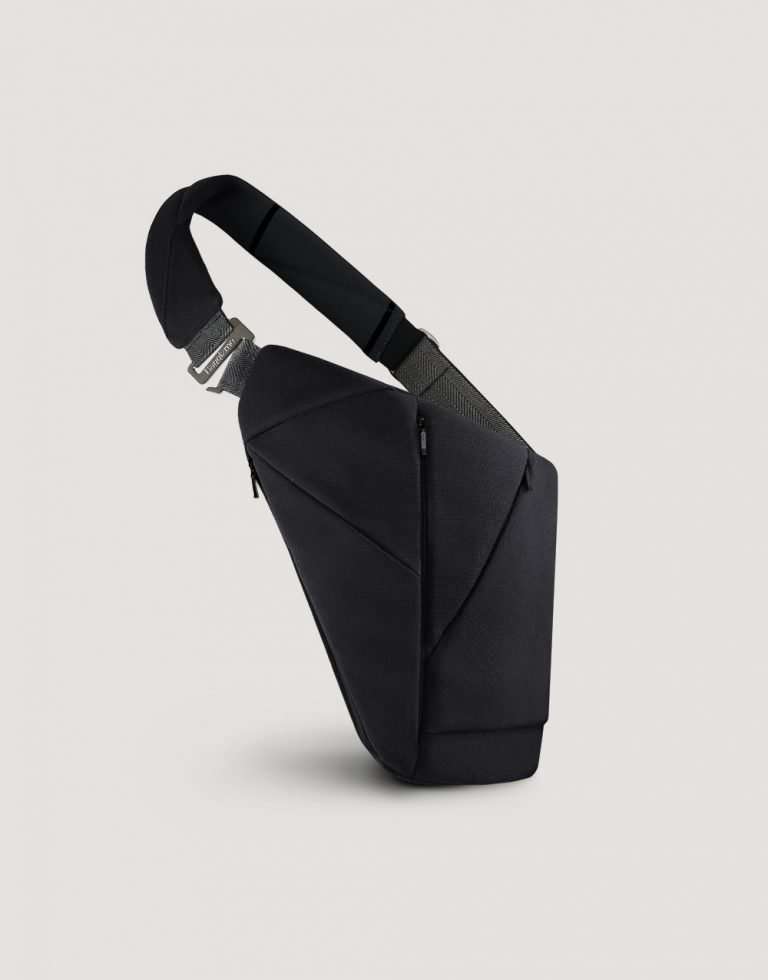
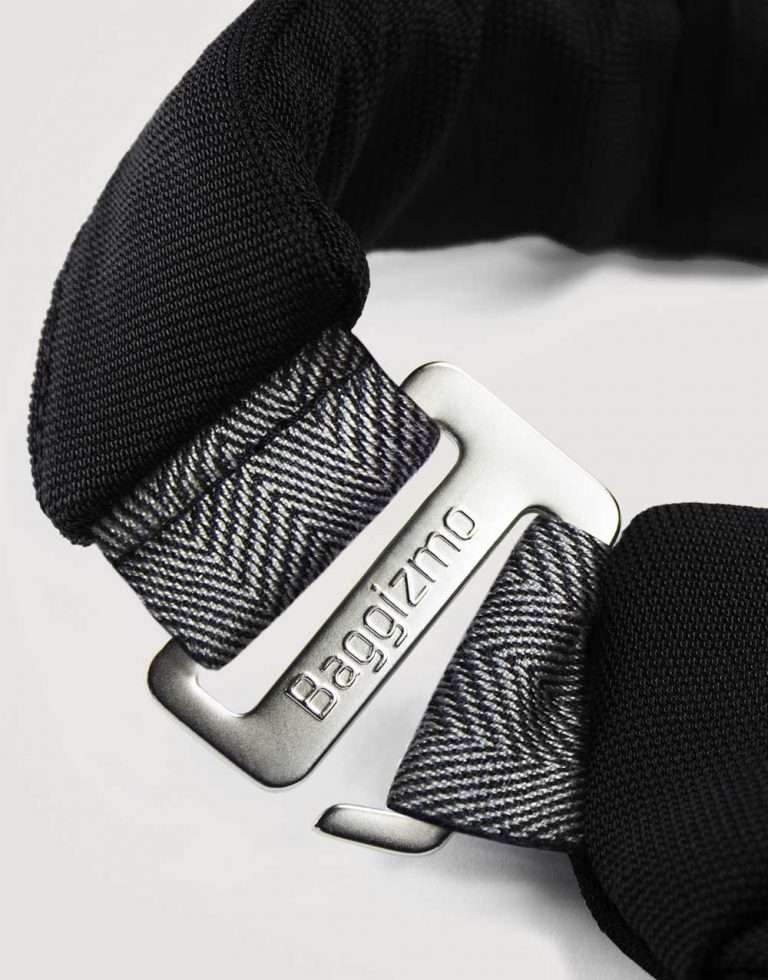
Contemporary bag design benefits from 5,000 years of accumulated innovation. Modern manufacturers like Baggizmo combine historical durability principles with contemporary materials and ergonomic research, creating bags that honor traditional craftsmanship while meeting current performance demands.