
25
Mar

Urban pickpocketing incidents increased 23% in major metropolitan areas during 2025, with thieves adapting faster than traditional security measures. Modern criminals exploit crowded transportation hubs, tourist districts, and digital payment zones using sophisticated distraction techniques that bypass conventional awareness strategies. The solution lies in combining behavioral intelligence with purpose-built accessories that integrate security features without compromising professional aesthetics.
Understanding the Urban Threat Landscape
Data from 2025 reveals pickpocketing hotspots have shifted from traditional tourist traps to transportation nodes and mixed-use developments. New York’s subway system recorded 2,847 theft incidents, while London Underground saw a 31% spike in contactless card fraud attempts. Barcelona’s Las Ramblas remains problematic, but thieves now target digital nomads in co-working districts.
Modern pickpockets operate in coordinated teams using advanced distraction methods. The “smartphone drop” technique involves accomplices creating staged emergencies while primary operators access bags during the chaos. The “payment jam” scam exploits contactless terminals, with thieves positioning RFID skimmers within 4cm of target wallets during transaction delays.


Traditional advice like “stay alert” fails because thieves exploit cognitive overload during rush periods. Peak vulnerability occurs between 7:30-9:00 AM and 5:00-6:30 PM when commuters juggle multiple tasks while navigating crowds. Professional-grade security requires systematic approaches, not reactive awareness.
High-Risk Locations and Situations
Underground Transportation Systems
Subway platforms create optimal conditions for theft through controlled entry/exit points and predictable passenger movements. Thieves position themselves near turnstiles, escalators, and door areas where targets must focus on navigation rather than belongings. The average subway theft takes 3.2 seconds from initial contact to completion.
Rush hour vulnerability peaks at door closing moments when passengers squeeze together. Thieves exploit the “courtesy reach” where commuters naturally help with bags, using this interaction to access pockets or purses. Morning routes toward business districts see 40% more incidents than evening return journeys.
Tourist Attractions and Crowded Venues
Popular destinations create security challenges through legitimate crowding and tourist distraction. Museum entrance areas, outdoor markets, and festival grounds provide cover for coordinated theft operations. Thieves exploit “photo opportunity” moments when tourists focus on cameras rather than personal items.
Street performance areas generate particular risk because audiences naturally cluster while attention directs toward entertainers. The “applause moment” represents peak vulnerability when hands occupy clapping while bags hang unattended. Professional thieves time approaches during performance climaxes for maximum distraction effectiveness.
Digital Payment Zones and ATM Areas
Contactless payment zones create new theft opportunities through RFID skimming and distraction during transaction processes. Thieves position themselves within scanning range of target cards, capturing data for later fraudulent use. Coffee shops, transit stations, and retail checkout areas see increasing incidents of “contactless theft.”
ATM locations remain high-risk due to cash withdrawal visibility and predictable user behavior patterns. Thieves observe PIN entry from 2-3 meters using smartphone cameras or direct observation. The post-transaction moment when users organize cash and cards creates optimal access opportunities.
Modern Anti-Theft Bag Technology
RFID-Blocking Compartments
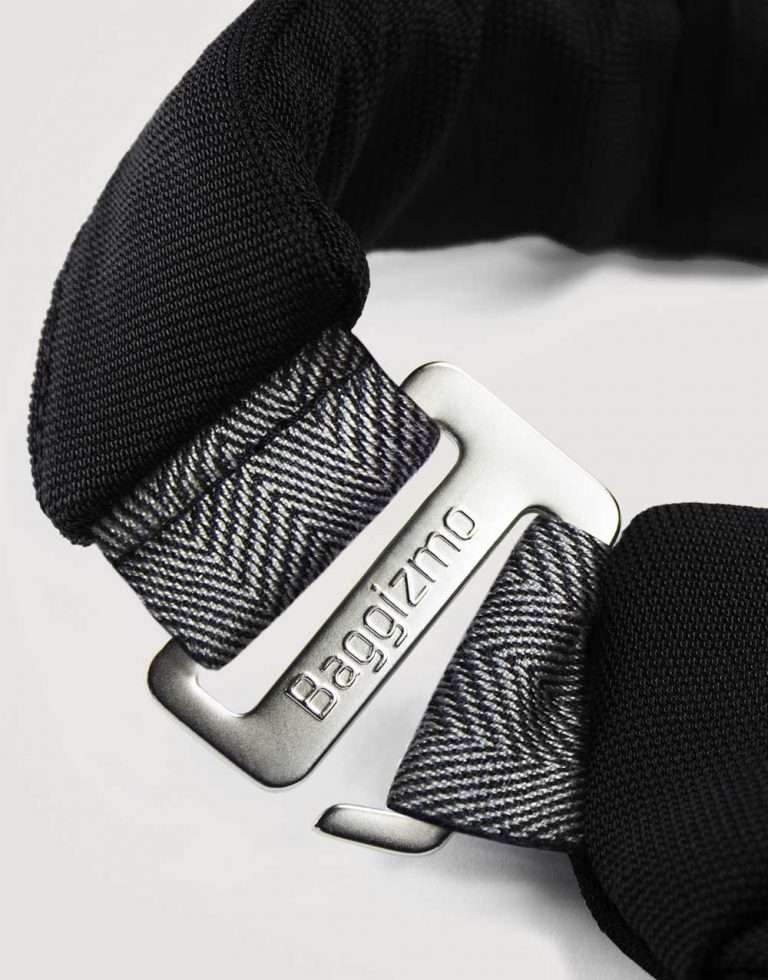
Professional-grade security bags integrate electromagnetic shielding materials that prevent unauthorized scanning of contactless cards and passports. Quality RFID blocking uses silver-infused fabric or metal mesh construction rather than cheap aluminum lining that degrades quickly.
Effective RFID protection operates across multiple frequency ranges: 13.56 MHz for credit cards and 125 kHz for access badges. Testing reveals cheaper alternatives often block only single frequencies, leaving users vulnerable to sophisticated skimming equipment. Professional shielding maintains 99.9% effectiveness across temperature and humidity variations.
Hidden Zipper Systems
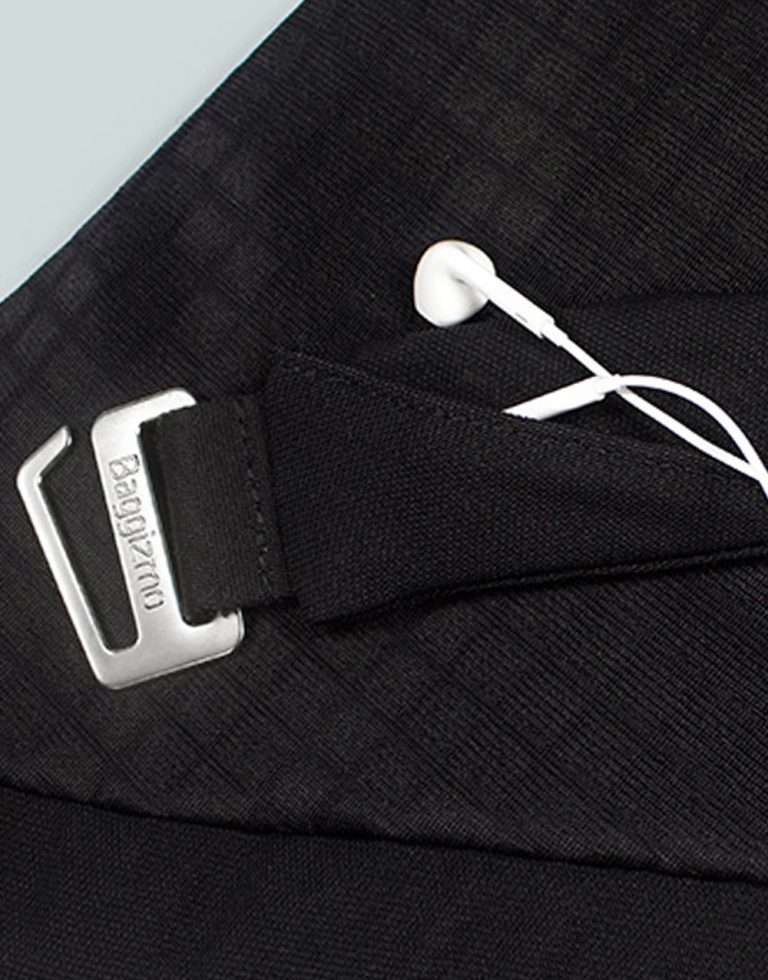
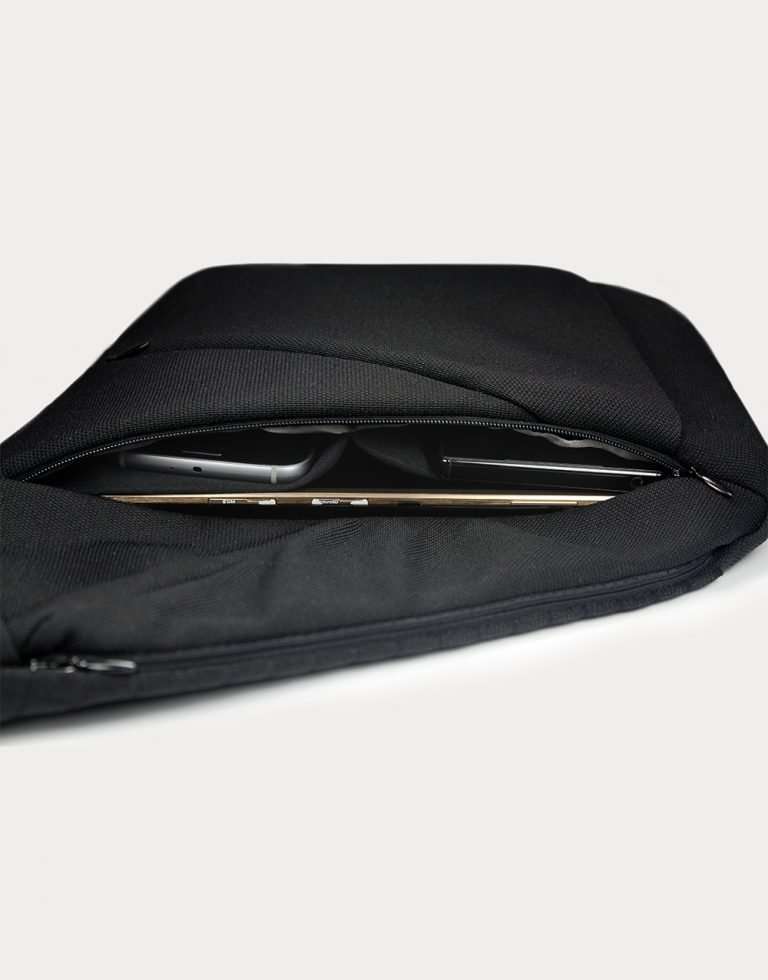
Advanced bag designs incorporate concealed closure mechanisms that remain invisible during casual observation. Hidden zippers integrate into seam construction or utilize magnetic closures that require specific pressure patterns to open. These systems prevent opportunistic access while maintaining aesthetic appeal.
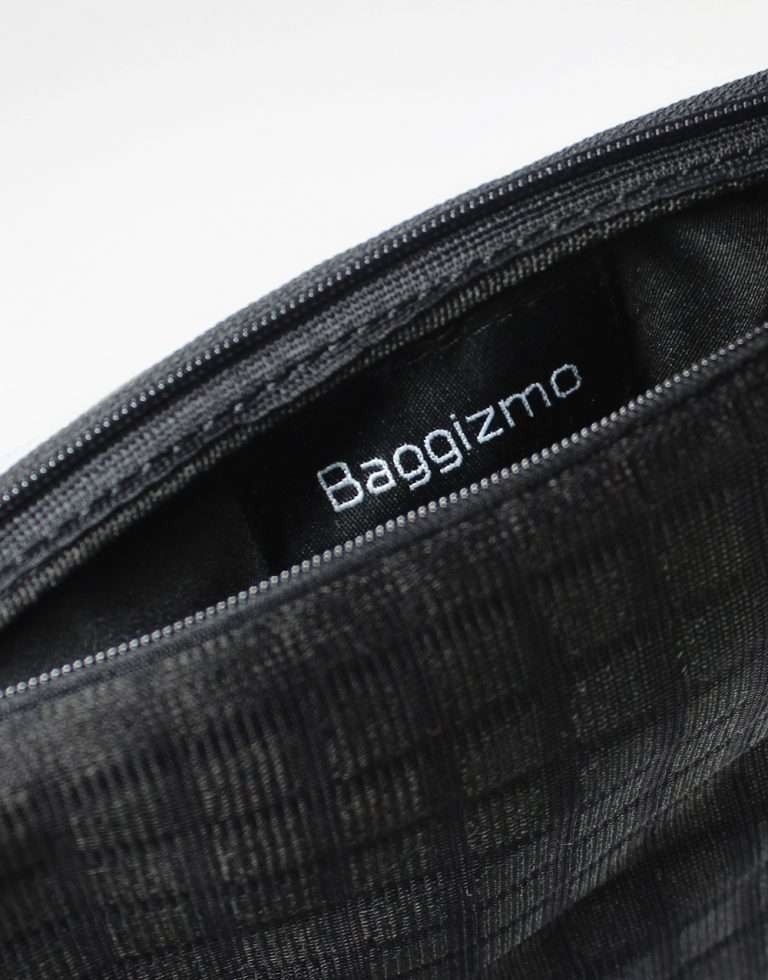
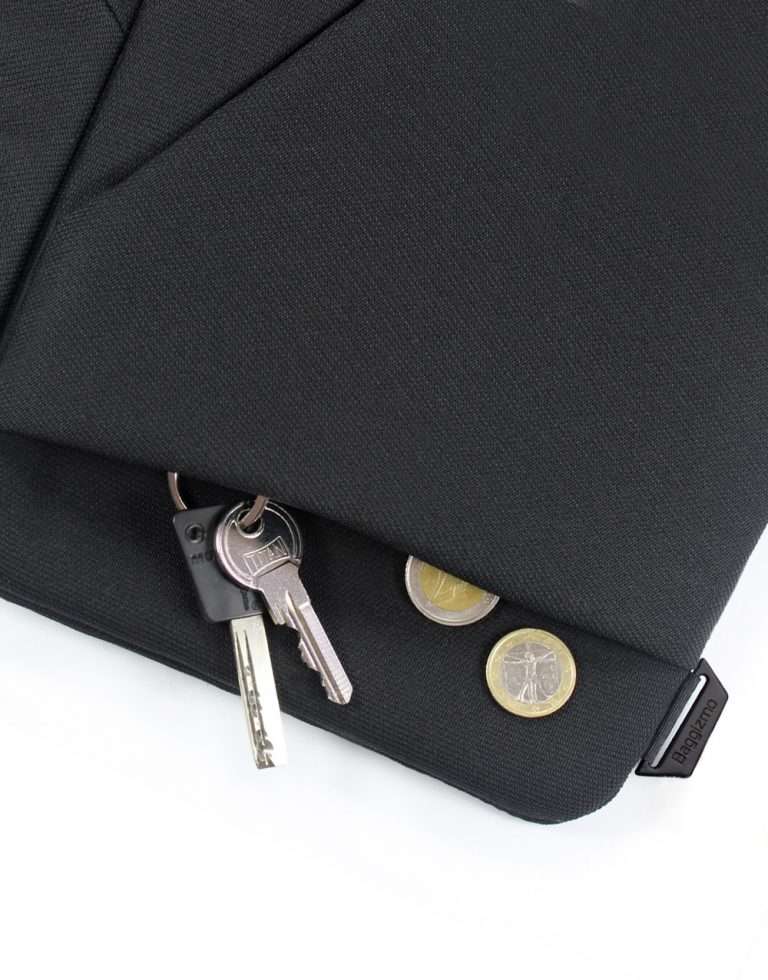
The most effective designs place primary zippers against the wearer’s body or within fold-over flaps that require deliberate manipulation. Decoy zippers on exterior surfaces can frustrate theft attempts while protecting actual storage areas. Quality construction ensures hidden mechanisms don’t compromise bag functionality or durability.
Slash-Resistant Materials
Cut-resistant fabrics utilize woven steel cables or aramid fibers that prevent blade penetration without adding excessive weight. Professional-grade materials withstand 200+ pounds of cutting force while maintaining flexibility for daily use. The key lies in balancing protection levels with practical portability requirements.
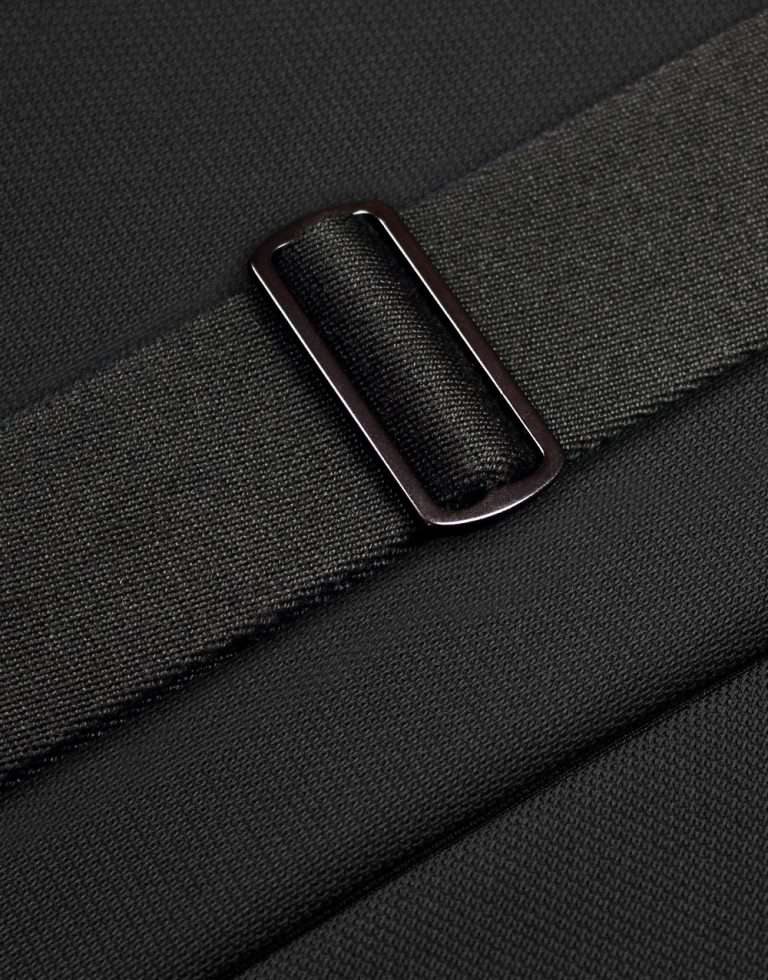
Effective slash resistance extends beyond main compartments to straps and connection points. Quality security bags reinforce all potential failure points with protective materials while maintaining professional appearance standards. Testing protocols simulate real-world attack scenarios rather than laboratory conditions.
Locking Mechanisms
Modern security locks integrate TSA-approved systems with combination or key access that doesn’t compromise travel convenience. The best designs utilize multiple smaller locks rather than single large mechanisms that attract attention or add bulk. Lock placement should remain discrete while providing genuine security benefits.
Smart lock integration allows smartphone control and activity monitoring without requiring constant manual interaction. These systems send alerts for unauthorized access attempts while maintaining low power consumption for extended battery life. Professional implementations avoid complex electronics that create reliability concerns.
Smart Wallet Features for Urban Security
Contactless Payment Protection
Advanced smart wallets incorporate selective RFID blocking that allows authorized transactions while preventing unauthorized scanning. The best designs use sliding shields or button-activated protection that gives users control over contactless functionality without permanent blocking.
Multi-layer protection systems separate different card types within shielded compartments. Credit cards require different protection specifications than transit passes or access badges. Quality wallets accommodate these varying requirements without forcing users to compromise functionality for security.
GPS Tracking Capabilities
Integrated tracking systems use Bluetooth Low Energy and cellular connectivity to provide location services without significant battery drain. The most effective implementations combine multiple tracking technologies for redundant coverage in various urban environments.
Quality tracking systems provide real-time alerts for separation distances and movement patterns that indicate potential theft. Smartphone integration allows immediate response to security events while maintaining discrete operation that doesn’t advertise protective features to potential thieves.
Minimal Profile Design Advantages
Slim wallet construction reduces pickpocket target visibility while maintaining full functionality for daily use. The optimal thickness remains under 12mm when fully loaded with cards and cash. Reduced bulk also decreases the likelihood of accidental display during payment activities.
Strategic card organization within minimal wallets ensures frequently used items remain accessible without exposing entire contents. Quality designs separate high-value items (credit cards, ID) from lower-value contents (loyalty cards, receipts) for layered security approaches.
Behavioral Strategies for Pickpocket Prevention
Situational Awareness Techniques
Effective awareness focuses on pattern recognition rather than general vigilance that creates fatigue. Professional techniques involve scanning for coordinated movements, unusual positioning, and attention patterns that indicate surveillance or setup activities. The goal involves identifying threats before engagement rather than reacting during attempts.
Urban professionals develop systematic observation routines that integrate into daily activities without appearing paranoid or consuming excessive mental resources. The 3-6-9 scanning method involves checking surroundings at 3-meter, 6-meter, and 9-meter distances every 30 seconds in high-risk areas.
Optimal Bag Positioning
Professional bag positioning maintains contents within peripheral vision while allowing natural movement and professional appearance. Front-carry positions work effectively for small bags, while larger items require cross-body positioning with zippers against the body.
The “triangle rule” positions bags within the geometric triangle formed by shoulders and hands during normal walking. This positioning ensures unconscious monitoring through natural body awareness while preventing the awkward “death grip” that signals fear and attracts unwanted attention.
Crowd Navigation Tactics
Strategic crowd movement minimizes exposure to coordinated theft teams while maintaining efficient urban navigation. The “buffer zone” technique maintains 1-meter spacing from strangers when possible, particularly near transition points like escalators or doorways.
Professional navigation avoids predictable movement patterns that allow thieves to position themselves advantageously. Random route variations and timing changes prevent surveillance teams from establishing patterns. The key involves appearing purposeful while remaining unpredictable.
Technology Integration for Enhanced Security
Smartphone Apps for Threat Detection
Advanced security applications utilize crowdsourced data and machine learning to identify high-risk locations and timing patterns. Quality apps integrate real-time crime reporting with predictive analytics that help users avoid problematic areas during peak incident times.
Bluetooth beacon networks in major cities provide proximity alerts for known theft hotspots while maintaining user privacy. The most effective systems operate in background mode without draining battery life or requiring constant user interaction.
Wearable Alert Systems
Discrete wearable devices provide vibration alerts for separation from bags or wallets beyond preset distances. Quality systems distinguish between intentional separation (setting bags down) and unauthorized movement that indicates potential theft.
Integration with fitness trackers and smartwatches allows security monitoring without additional devices that might attract attention. Professional implementations maintain 7-day battery life with normal usage patterns.
Digital Backup Strategies
Comprehensive backup systems protect against total loss through cloud storage of critical documents and payment information. Quality strategies separate backup access credentials from primary devices to prevent simultaneous compromise during theft events.
Emergency contact systems allow rapid response to theft incidents through automated notifications and location sharing with trusted contacts. Professional approaches balance immediate response capabilities with privacy protection requirements.
Key Takeaways
Protecting valuables from pickpockets requires systematic integration of modern bag technology, behavioral awareness, and smart positioning strategies rather than relying on general vigilance alone. Professional-grade security comes from purpose-built accessories that incorporate RFID blocking, hidden closures, and slash-resistant materials without compromising style or functionality.
Urban professionals must understand that peak vulnerability occurs during routine activities like commuting and payment transactions, not tourist situations. Effective protection combines minimal-profile wallets with strategic positioning and systematic awareness techniques that integrate into daily routines without creating paranoia or social awkwardness.
Technology integration through tracking systems, security apps, and wearable alerts provides layered protection that adapts to evolving theft techniques. The most successful approaches balance immediate security benefits with long-term usability, ensuring protective measures enhance rather than complicate professional urban lifestyles.